
Commercial Assets Exports
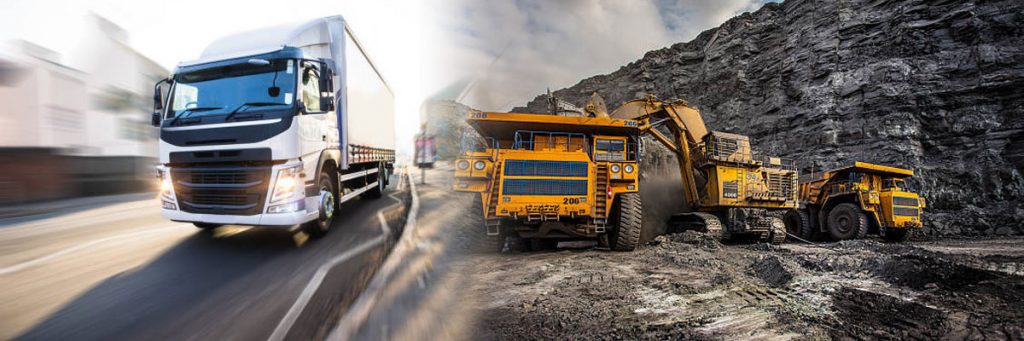
A service that provides foreign buyers to purchase and export South African registered vehicles from the comfort of their home or whilst visiting South Africa for business or pleasure.
AVAAT offers export and logistics solutions for all your personal and commercial requirements.
Tell us what you need to grow your business.
Exporting commercial assets involves the international trade of various physical assets used in commercial activities. These assets can include machinery, equipment, technology, vehicles, and other resources that are utilized by businesses to conduct their operations. Here are some key points to consider regarding commercial assets exports:
Asset Types: Commercial assets can vary widely depending on the industry and business sector. They can include manufacturing equipment, construction machinery, agricultural machinery, medical devices, computer systems, telecommunications equipment, industrial tools, and more. The specific assets being exported depend on the needs and demands of the destination market.
Export Process: Exporting commercial assets involves similar processes to other types of exports. It includes market research and identification of target markets, compliance with export regulations, packaging and transportation arrangements, completion of documentation, and handling customs procedures. Exporters need to be aware of both the source and destination countries’ specific requirements and regulations.
Logistics and Transportation: The logistics of exporting commercial assets involve selecting the appropriate mode of transportation based on factors such as the nature of the asset, distance, urgency, and cost. Working with experienced logistics providers or freight forwarders can ensure proper packaging, secure loading, and efficient transportation to the destination. Logistics providers also assist in managing customs documentation and compliance.
Documentation and Compliance: Exporters must prepare and handle various documents during the export process. These may include export declarations, commercial invoices, packing lists, certificates of origin, licenses (if applicable), and any additional documentation required by the source or destination country. Compliance with export control regulations, trade restrictions, and applicable standards is crucial to avoid legal issues and ensure a smooth export process.
Customs Duties and Taxes: Import duties and taxes imposed by the destination country can significantly impact the cost and competitiveness of exported commercial assets. Exporters should be aware of the import regulations and tariff rates of the target market to determine the financial implications of exporting the assets. Additionally, exporters may explore any preferential trade agreements or free trade agreements that could provide duty exemptions or reductions.
After-Sales Support: Exporting commercial assets may involve providing after-sales support to the buyers or end-users. This can include technical assistance, training, spare parts availability, and maintenance services. A strong after-sales support system enhances customer satisfaction and builds long-term relationships, potentially leading to repeat business and positive referrals.